How it works
Sources in. Tagged events out. Every week.
1. Sources
You tell us which libraries, parks, museums, and tourism sites you want covered. We handle the rest.
For most metros, we end up with 15-25 source sites. We work with whatever's published online — LibCal, Bibliocommons, custom WordPress, iCal feeds, even one-off venue calendars rendered in JavaScript.
2. Scrape
Each source gets its own custom scraper, written by us and monitored continuously.
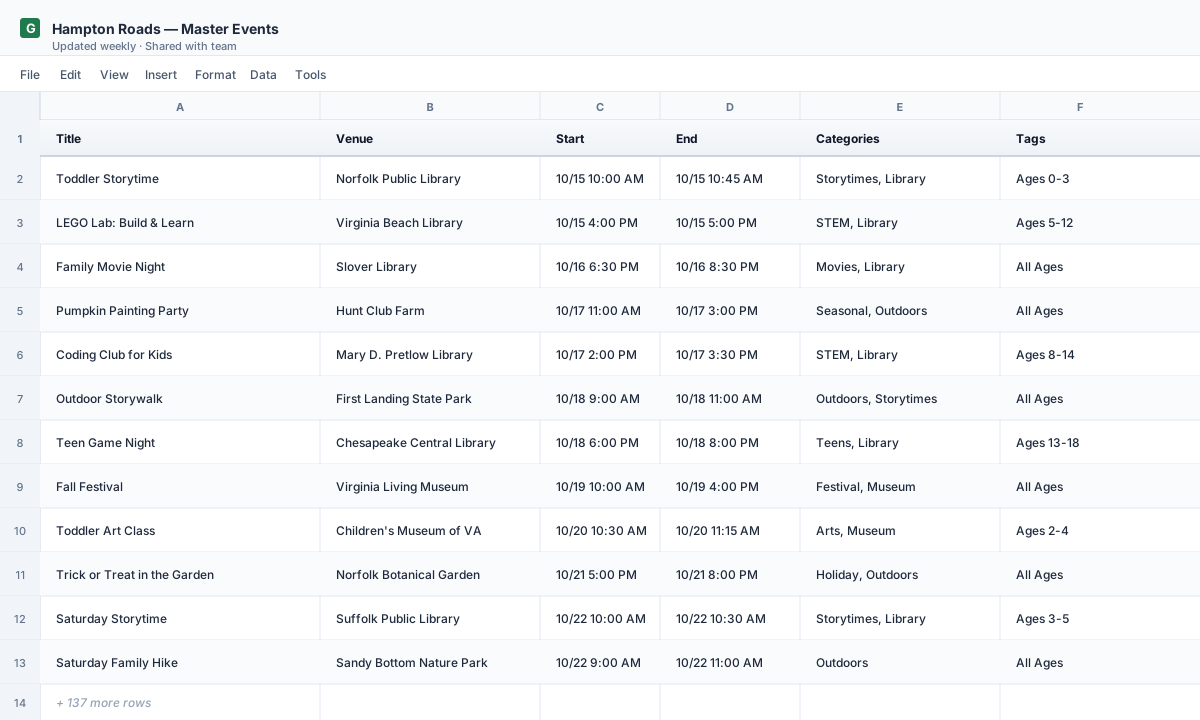
A live Master Events sheet from a real customer's pipeline.
3. Normalize
Every source publishes events differently. We unify them into one consistent schema.
Title, description, date, start/end time, venue, address, age range, registration link, image. Always the same fields, always the same format, no matter what the source looks like.
4. Tag
Your CMS taxonomy, applied automatically.
During onboarding we build a custom tag map for your site — storytimes, STEM events, teen programs, holiday-specific lists, whatever your editorial categories require. Every event runs through that map before delivery.
5. Deliver
Where you want it, in the format you want it.
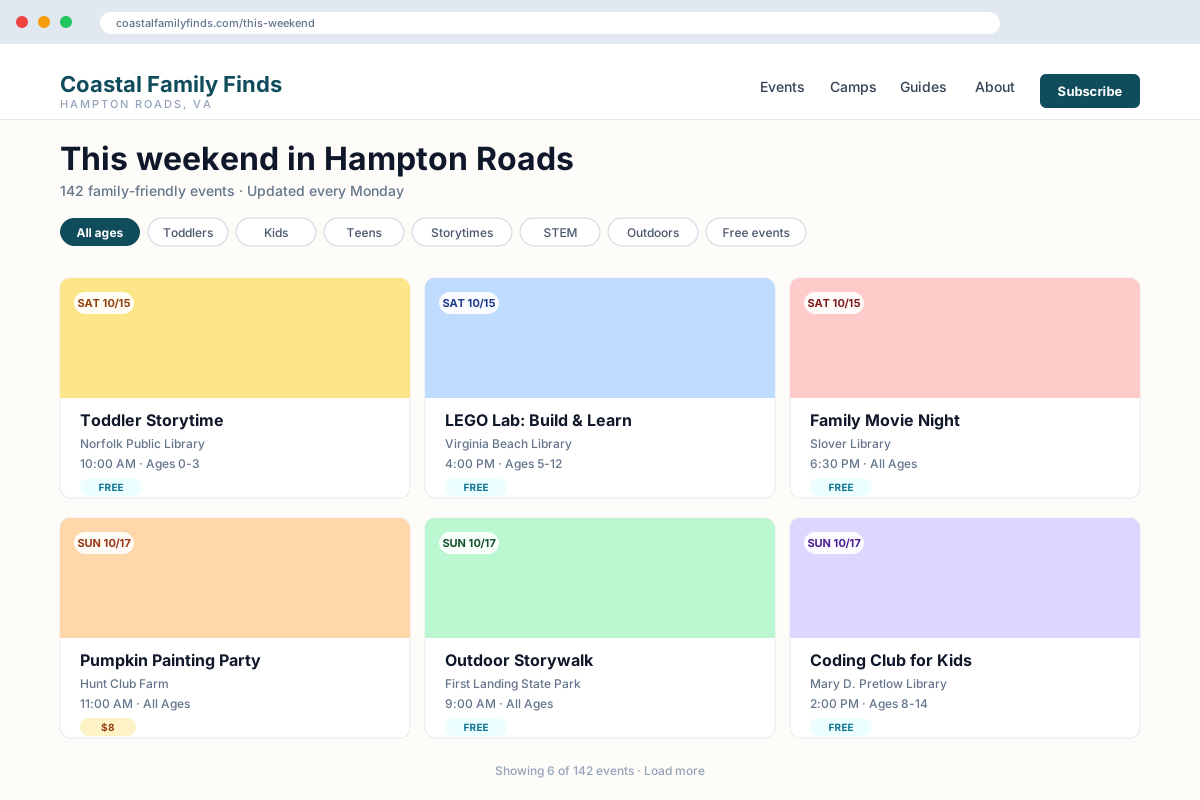
Events live on a customer's WordPress site, populated from the EventPipe feed.
CSV, Google Sheet, direct push to The Events Calendar, or a custom integration. Every Monday morning, like clockwork.
What we don't do
- We don't write event descriptions. We pull what the source publishes, verbatim.
- We don't moderate content. If a source publishes it, it goes in your feed. You stay in control of editorial.
- We don't promise events that aren't online. If your local rec center keeps their schedule on a paper flyer, we can't help.
Ready to see your sources in this pipeline?
Tell us about your site and we'll send back a quote within one business day.